
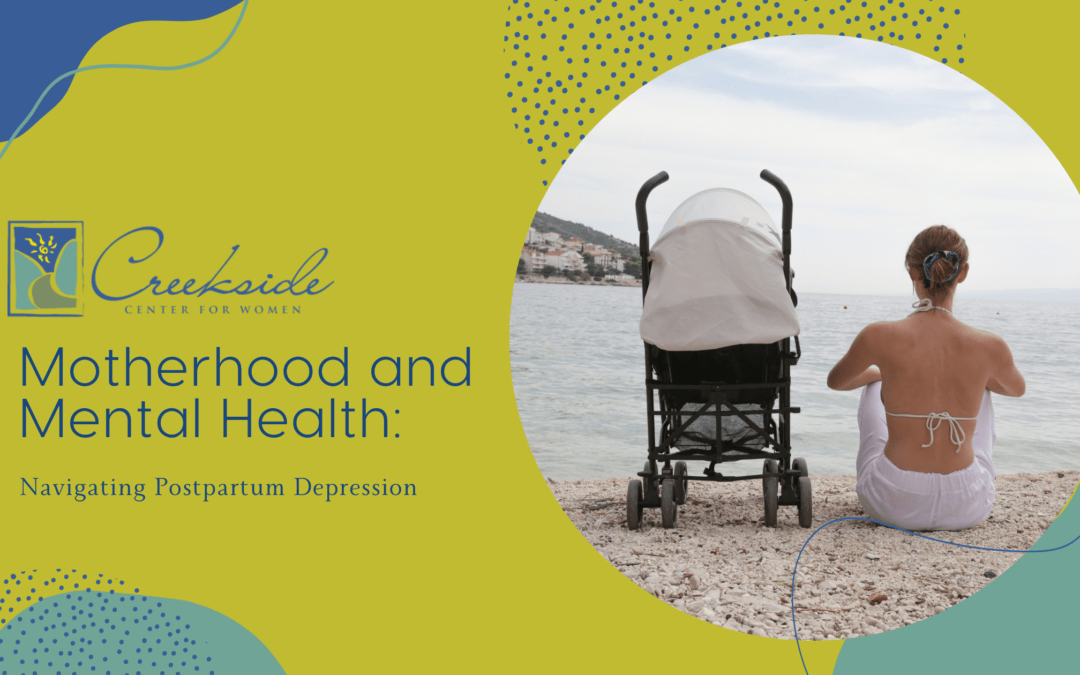
Postpartum depression is a condition that affects many new mothers. Symptoms can range from mild to severe. It can make it difficult for women to bond with their babies and disrupt their daily lives. Seeking treatment is essential to manage postpartum depression symptoms and prevent long-term effects on mental health.
Motherhood and Mental Health
Motherhood is a journey often portrayed as a blissful and fulfilling experience. However, the reality can be quite different for women facing postpartum depression challenges.
Postpartum depression is a serious mental health condition that affects up to 1 in 5 women after giving birth.
Understanding Postpartum Depression Symptoms
Postpartum depression symptoms can range from mild to severe. They may include feelings of sadness, anxiety, irritability, and exhaustion. These symptoms may begin within a few weeks of giving birth or even months later.
Postpartum depression is not a sign of weakness or failure as a mother. It’s a common condition that requires attention and treatment.
Treatment Options for Postpartum Depression
Recognizing the signs and symptoms is one of the first steps to navigating postpartum depression. Possible indications include:
- Feeling overwhelmed
- Trouble bonding with your baby
- Experiencing changes in appetite or sleep patterns
If you’re experiencing these symptoms, seek support from a trusted healthcare provider, therapist, or counselor. Talking openly and honestly about your feelings can be a powerful step toward recovery.
Coping Strategies for Mothers with Postpartum Depression
Treatment options for postpartum depression may include therapy, medication, or a combination of both. Therapy can provide a safe and supportive space to explore and process your emotions and experiences.
Medications such as antidepressants can help regulate your mood and alleviate symptoms. Working with a healthcare provider to determine the best treatment plan for your specific needs is essential.
Seeking Help for Postpartum Depression: You Are Not Alone
If you are experiencing postpartum depression, knowing you are not alone is important. This common condition affects many new mothers. And seeking help is a sign of strength, not weakness.
If you are seeking help for postpartum depression, here are a few pieces of advice:
- Be honest with your healthcare provider: Your healthcare provider is there to help you. So it’s important that you are honest with them about what you’re experiencing. Share any symptoms or concerns you have so that they can provide you with the appropriate care and treatment.
- Lean on your support system: Whether it’s your partner, family members, or friends, it’s important to have a support system during this time. Don’t be afraid to reach out for help, whether with daily tasks or emotional support.
- Practice self-care: Taking care of yourself is essential when dealing with postpartum depression. Self-care can include getting enough sleep, eating a healthy diet, and finding time to exercise or engage in activities you enjoy.
- Consider therapy: Therapy can be a helpful tool for managing postpartum depression. It can provide a safe space to discuss feelings and develop coping strategies to manage symptoms.
Remember, seeking help for postpartum depression is a brave and important step toward feeling better.
Postpartum depression is a common and treatable condition that can affect anyone. Recognizing the signs and symptoms, seeking support, and prioritizing self-care are crucial steps in navigating this challenging time. Remember, you are not alone, and there is hope for recovery.
Navigating Postpartum Depression
If you or someone you know is struggling with postpartum depression, don’t hesitate to reach out for help. You don’t have to navigate motherhood and mental health alone.
Creekside Center for Women is here to support you with compassionate care and expert treatment options. Contact us today at 479.582.9268 or visit our website to schedule an appointment.